


What to Ask When Buying a Fully Trained Dog
Our staff at A&T Trained Dogs knows that buying a dog in Lancaster is a significant decision, and the path you choose can shape the experience from the very beginning. While many people fall in love with the idea of a cute little puppy, the reality of house-training, obedience classes, and sleepless nights isn’t for everyone. Many find that a fully trained dog is an appealing alternative. You bypass the turbulent puppy phase and welcome home a companion who already understands the rules of the house.
However, buying a fully trained dog is a very different process from adopting a puppy from a breeder or rescue centre. The term “fully trained” can mean different things to different sellers, and it’s your responsibility to dig deeper to ensure the dog is a genuine fit for your home and lifestyle. You can do this by knowing what to ask when buying a dog.
Understand the Dog’s Background
A dog’s history is incredibly influential in its personality and behaviour. Understanding where your potential new companion comes from will give you crucial insights into how they might adapt to your home and family. A dog raised in a busy family home will have a different outlook than one trained exclusively in a professional facility.

Questions to Ask:
- What Is the Dog’s Age and Breed? This is the most basic but essential starting point. A dog’s age can influence its energy levels and potential health issues, while its breed provides clues about its inherent traits, exercise needs, and temperament.
- Where Was the Dog Trained? Was the training conducted in a family home, a professional kennel, or a mix of both? Professional training is more thorough than a home-based program.
- Has the Dog Been Socialised With Other Pets and People? Proper socialisation is critical. Ask if the dog has spent time with other dogs of various sizes and temperaments, as well as cats or other animals, if you have them. It’s also vital to know about their experience with different types of people, including children, adults, and strangers.
Why It Matters
Asking about a dog’s background helps you build a complete picture of who they are. This information allows you to anticipate their needs and assess whether their past experiences align with your current lifestyle. For instance, if you have young children, a dog that’s been raised and socialised around them from a young age is likely to be a better fit than one with no exposure to kids.

Get the Details on Their Training
The term “fully trained” is broad. Does it mean the dog knows basic commands like “sit” and “stay,” or does it have advanced skills like boundary and impulse control? Some training is specifically tailored for a particular role, such as training a therapy or assistance dog. You need to understand the full scope of their education to ensure their training level meets your expectations.
Questions to Ask:
- What Specific Commands Does the Dog Know? Request a complete list of commands. This should include basic obedience skills, such as sit, stay, come and down, as well as more advanced skills. Ask if the commands are verbal, hand signals, or both.
- Is the Dog Reliably House-Trained and Crate-Trained? A fully trained dog should be completely house-trained. Ask about their routine and whether they’ve had any recent accidents. Crate training is also a valuable skill, providing the dog with a safe space and helping with management when you’re not home.
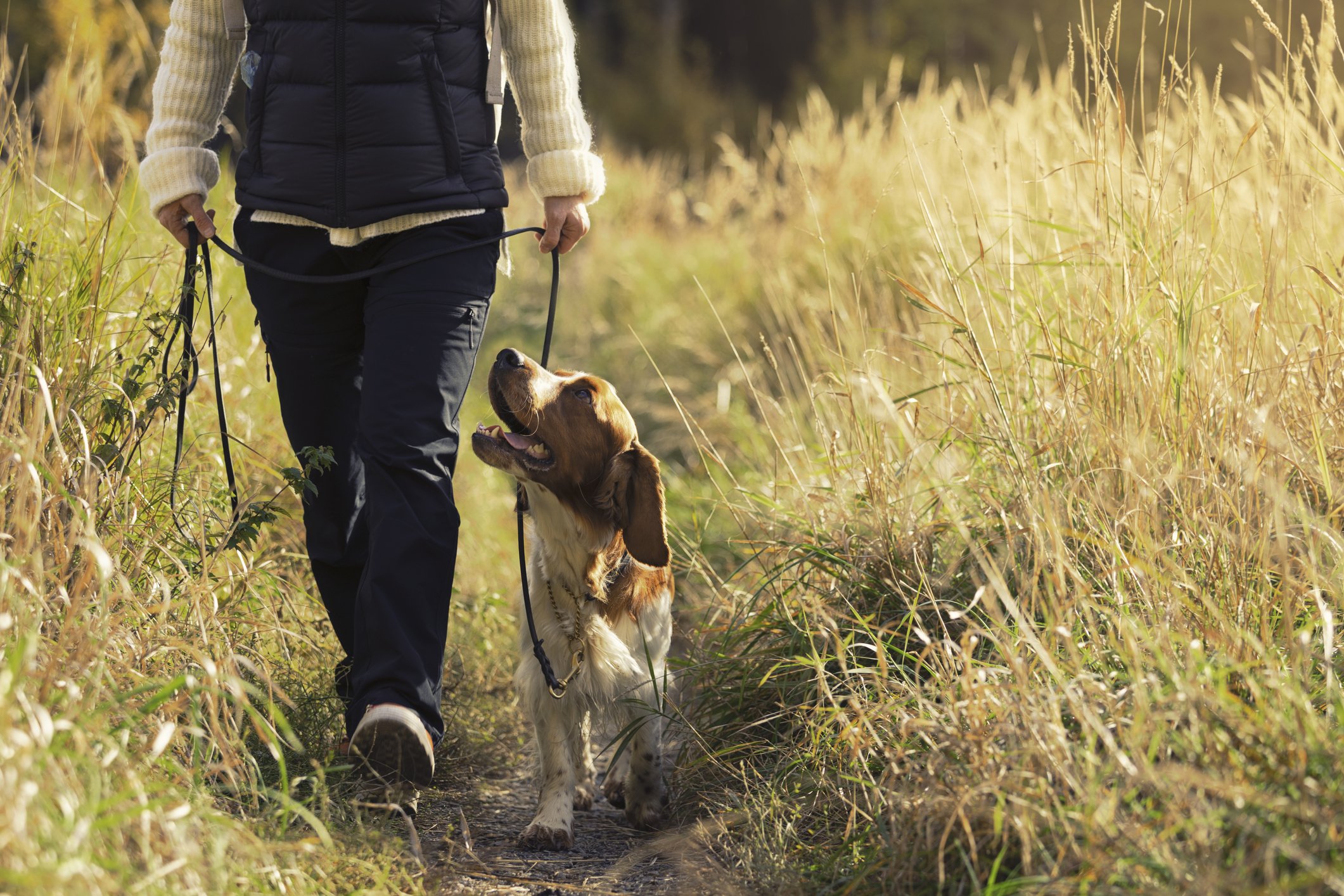
- What About Leash Training and Recall? Does the dog walk politely on a lead without pulling? A strong recall (coming back when called) is one of the most critical safety commands, so ask how reliable their response is in different environments, especially when there are distractions.
Why It Matters
Clarifying the specifics of a dog’s training ensures there are no surprises. If you’re looking for a dog to join you on off-lead countryside hikes, excellent recall is a must. Regardless of where you live, impeccable house training is essential. Matching their skills to your needs is fundamental to a good relationship.

Review Health and Veterinary Records
A healthy dog is a happy dog. One of the most important things to consider before getting a dog is its health history, along with comprehensive veterinary records to support it. This is not a step to be skipped, as it can save you from future heartache and unexpected financial burdens.
Questions to Ask:
- Is the Dog Fully Vaccinated, Microchipped and Up-to-Date on Parasite Prevention? Ask to see the vaccination records. If the dog is microchipped, you’ll need to know the process for transferring the registration details into your name.
- Has the Dog Been Spayed or Neutered? This is a standard procedure for most pet dogs, preventing unplanned litters and certain health issues.
- Is There Any History of Medical Conditions, Injuries or Allergies? Be direct. Ask about past illnesses, surgeries, chronic conditions like hip dysplasia or any known food or environmental allergies.
Why It Matters
A complete medical history guarantees you’re welcoming a healthy animal into your home. It also prepares you for any ongoing medical needs, which is vital for both the dog’s well-being and your financial planning.
Assess Behaviour and Temperament
A dog’s training is only one part of the equation; its innate temperament is just as important. You need to be sure its personality is a good match for your home and family.
Questions to Ask:
- How Does the Dog React to Strangers, Children and Other Animals? Ask for specific examples. How do they behave when someone new enters the home? Have they been tested with children of different ages?
- Is There Any History of Aggression, Anxiety or Resource Guarding? These are serious behavioural issues that require careful management. A responsible seller will be honest about any challenges the dog has faced and the training implemented to address them.
- How Does the Dog Handle Being Alone? Separation anxiety can be a challenging issue. Ask how long the dog is accustomed to being left alone and how they behave during that time. Some dogs remain calm, while others show signs of distress, such as barking or destructive behaviour.
Why It Matters
Compatibility is key. A dog’s temperament determines how well it will integrate into your family and social life. Being honest about your household dynamics and asking detailed behavioural questions will prevent a mismatch that could be stressful for both you and the dog.

Understand Maintenance and Lifestyle Needs
Bringing a dog home is just the beginning. If you’re asking yourself, “Should I get a dog?” it’s essential to understand that you’ll be responsible for their daily care for the rest of their life. Being aware of their established routine and needs will help you realise what will be involved in maintaining their well-being.
Questions to Ask:
- What Is the Dog’s Daily Routine? Ask about their feeding schedule and exercise routine, including the duration, frequency, and whether it’s on- or off-leash. How about potty breaks? Sticking to a familiar routine can help the dog settle into their new home more quickly.
- Are There Any Special Dietary Requirements? Find out what brand and type of food the dog is currently eating. Abrupt changes in diet can cause digestive upset, so it’s best to continue with their current food and transition slowly if you plan to switch.
- What Are the Dog’s Grooming Needs? Different breeds require different levels of grooming. Ask how often they need to be brushed, bathed, and professionally groomed. This is an ongoing cost and time commitment that should be factored into your budget.
Why It Matters
Knowing the dog’s daily needs prepares you for the realities of ownership. It ensures you can provide the consistent care required to keep them healthy, happy and well-behaved, preserving the investment made in their training.

Finalise the Ownership Transfer and Support
A good trainer or organisation doesn’t just hand over the lead and walk away. They should provide you with the necessary tools and support to ensure a successful transition for both you and your dog.
Questions to Ask:
- Will I Receive a Written Training Summary and Handover Guide? A professional handover is vital. This should include a summary of the dog’s commands, their daily schedule, and tips for managing their behaviour.
- Is There Post-Purchase Support or Follow-up Training Available? Even a perfectly trained dog may test boundaries in a new environment. Ask if the seller offers a follow-up session or is available to answer questions as the dog adjusts to its new surroundings.
- What Is the Return Policy? In an ideal world, every placement would be permanent. While unlikely, especially with a professional dog placement agency, it’s possible that things don’t work out. Ask about the seller’s return policy.
Why It Matters
A structured handover and ongoing support system are the hallmarks of a reputable seller. It demonstrates their commitment to the dog’s well-being beyond the point of sale and provides you with support as you navigate the first few weeks and months together.
Finding Your Perfect Companion
We hope these suggested questions to ask a dog breeder in Lancaster from A&T Trained Dogs helps you during your search for the perfect pup. Choosing to buy a fully trained dog is an investment in a calm, well-behaved companion. With the proper preparation, you’ll be ready to welcome a wonderful new member into your family. Contact us to learn more about our dogs for sale.


